.png)
Sep 2025
This article was originally published in Decoding, our monthly briefing on the latest trends in government technology. Sign up here to receive future editions directly in your inbox.
.png)
Europe’s renewable energy ambitions are increasingly tied to the digital systems that support them. From open data on emissions and energy use to smart grids and sector-coupled infrastructure, digitalisation can accelerate the green transition – but it also introduces new risks.
In our previous issue, we explored how cybersecurity underpins Europe’s digital sovereignty and resilience. This month, we shift focus to the twin green and digital transition, examining how data, secure systems, and smarter public procurement can accelerate renewable energy adoption. Digitalisation is not just a technical tool; it has become a strategic lever for Europe’s climate goals.
Cybersecurity remains a critical enabler: without trust in the systems that manage renewable energy assets, the green transition cannot be fully realised.
Efficient use of data, responsible public procurement, and interoperable digital platforms are now central to Europe’s climate policy. They help ensure transparency, mobilise private investment, and optimise energy production and consumption – all while safeguarding democratic oversight.
The European Green Deal is Europe’s roadmap to achieving climate neutrality by 2050, encompassing clean energy, sustainable agriculture, circular economy initiatives, and other key areas. Open data is a cornerstone of this effort, empowering policymakers, researchers, and citizens to make informed, sustainable decisions. By making environmental information transparent, Europe enhances evidence-based policy and accelerates the green transition.
Open data provides powerful benefits for sustainability. Datasets on air quality, biodiversity, energy consumption, and resource use enable stakeholders to identify trends, assess impacts, and develop effective solutions. Geospatial and environmental datasets already support initiatives such as smart cities, precision farming, and green infrastructure planning. They also enable the creation of digital tools that strengthen climate action, from apps that track carbon footprints to platforms that monitor waste reduction.
Collaboration is, as always, key. The Green Deal Data Space (GDDS) is one of the EU’s dedicated infrastructures that integrates high-quality, cross-sectoral datasets to support the Green Deal’s priority actions, including biodiversity, zero pollution, circular economy, climate change, and smart mobility. By providing a trusted, interoperable environment for data sharing, the GDDS helps public and private actors access actionable insights while retaining control and ensuring data sovereignty.
By embracing open data, Europe is not only advancing the Green Deal but also setting a global example in transparent, data-driven sustainability. For public sector leaders, integrating these resources into planning and procurement is a practical step towards a greener, smarter Europe.
🇪🇺 EU Member States push for reinforced Chips Act 2.0
All 27 Member States have signed a declaration urging a reinforced Chips Act 2.0 to strengthen Europe’s position in the global semiconductor value chain. The declaration highlights the need for collective action to reduce vulnerabilities, secure supply chains, and drive leadership in semiconductor design, manufacturing, and innovation—critical for sectors from automotive to defence and AI. The EU Commission has launched a public consultation to gather feedback from stakeholders, which will inform the upcoming evaluation and revision of the Chips.
🇬🇧 UK: New digital ID scheme to simplify access to public services
The UK government is introducing a digital ID for all citizens and legal residents, intended to make it easier to access public services, welfare benefits, and private sector checks such as renting or banking. Stored on a user’s phone, the ID will verify identity, age, and residency, with control over what information is shared remaining with the user. Employers will be required to check it for the right to work, while accessibility features and alternative options are included for those without smartphones or with additional needs.
🇸🇪 Sweden: Government expands AI use across public sector
Sweden is using artificial intelligence to improve efficiency and service quality across government agencies, municipalities, and regions. AI applications include monitoring wildlife during disease outbreaks, detecting forest pests, transcribing historical documents, assisting social workers with documentation, and supporting hospital patient care. Chatbots are also deployed to answer routine questions and direct citizens to experts when needed. The government’s 2025–2030 Digitalisation Strategy emphasises AI to streamline operations, and a dedicated AI strategy is planned for 2026.
🇩🇪 Germany: OpenAI for Germany to support public sector AI
German software company SAP has partnered with OpenAI to launch OpenAI for Germany, a sovereign AI platform designed for public sector use. The service, expected in 2026, will allow government and research institutions to use AI while keeping data secure and compliant with European regulations. To meet demand, SAP will expand its Delos Cloud in Germany and make these tools available on Amazon’s new European Sovereign Cloud region in Brandenburg, supporting the broader “Made for Germany” initiative on innovation, employment, and competitiveness.
🇧🇷 Brazil: Public innovation through civic engagement and digital tools
Brazil is using digital platforms and public entrepreneurship to strengthen institutions and expand citizen participation. Initiatives such as Colab enable residents to report issues and engage with local governments digitally, RenovaBR trains political leaders to improve governance and accountability, and OPA allows state-level participatory budgeting with full digital management. Together, these programmes show how governments can innovate from within, using data, citizen input, and structured processes to enhance transparency, responsiveness, and legitimacy across public institutions.
🇲🇦 Morocco: Launch of Digital for Sustainable Development (D4SD) Hub
Morocco and UNDP have launched the D4SD Morocco Hub, a $38 million initiative to accelerate digital transformation across Africa and the Arab States. The Hub will co-develop and scale AI-powered solutions in health, education, climate resilience, and governance, with a focus on youth and women. Announced at the 80th UN General Assembly, the initiative aligns with Morocco’s Digital Morocco 2030 strategy, UNDP’s global digital strategy, regional digital agendas, and the Kingdom’s commitment to South-South cooperation in the digital sector.
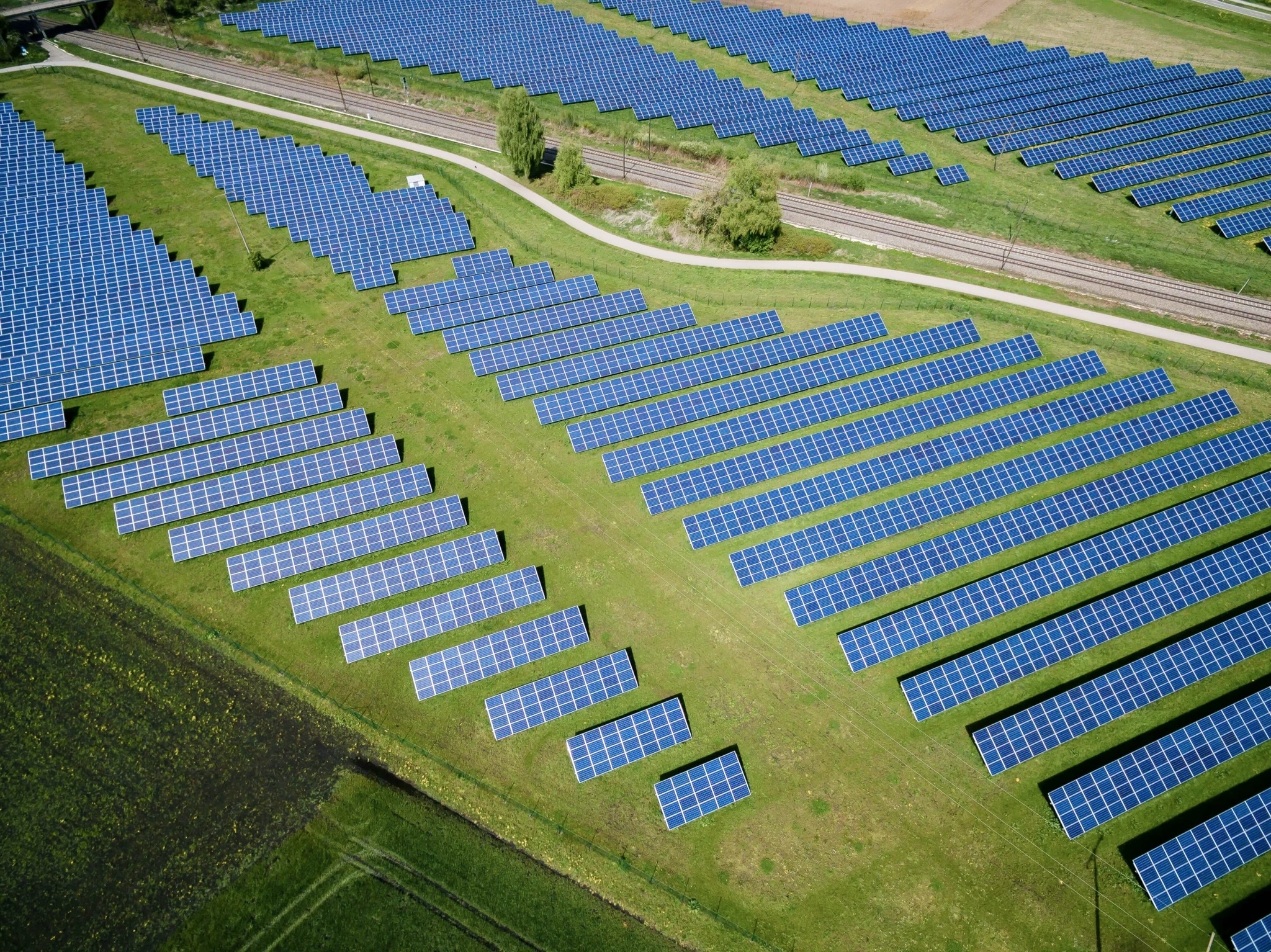
As governments and public organisations push towards net-zero, understanding electricity supply is more critical than ever. Electricity Maps is a Denmark-founded company that provides real-time data on electricity consumption, carbon intensity, and energy origin across 50+ countries and 160+ regions. The data can be accessed through a single API and used historically, in real time, or forecasted up to 24 hours, helping policymakers and public organisations make informed decisions for operations, procurement, and energy planning.
Shifting energy-intensive operations, such as data processing or EV charging, to low-carbon periods can significantly reduce emissions. Detailed electricity data allows municipal buildings, transport systems, and other public infrastructure to optimise energy use, improving efficiency and sustainability. For policymakers, it provides a reliable foundation for monitoring progress, reporting, and setting decarbonisation goals.
The world’s largest source of greenhouse gas emissions comes from fossil fuels. Transitioning to fully decarbonised electricity requires not only clean energy sources but also real-time management of supply and demand. Renewable energy can be intermittent, so every second matters. Electricity Maps aims for a grid-responsive future, where all connected systems adjust dynamically to real-time conditions, cutting emissions, lowering costs, and improving energy system resilience.
→ Read more here.
For questions, comments, or suggestions regarding this article, please get in touch with Emilia.
Enjoyed this edition of Decoding? Subscribe here to receive future insights on digital public services directly in your inbox.

.png)